Feed Like the Pros: Best Horse Feed to Reduce the Risk of Colic
How are elite equestrians feeding their horses to reduce the risk of colic while traveling? In this blog series, “Feed Like the Pros,” we reveal expert advice on equine nutrition, including ingredients that support foregut and hindgut health.
Keep reading to learn the best nutrition to reduce the risk of colic, so you can feed like the ProElite® pros.
What is Colic?
All horse owners have heard of “colic,” but what exactly is it and why does it occur? In simplest terms, colic is a general term used to describe abdominal pain, but the most common types are:
- Gastrointestinal Obstruction: This could consist of impaction colic caused by undigested food, torsion caused by intestines twisting, or intussusception
- Gas Colic: This is caused by gas due to fermentation or bacterial infection
- Inflammation: This could be caused by stomach ulcers or inflammation in the small or large intestine
Colic can be painful and even fatal, so it is important to always look for signs and symptoms such as:
- Lying Down and Looking at Stomach
- Lethargy
- Pawing
- Sweating
- Increased Heart Rate
- Lack of Appetite
- Thrashing and Rolling on Back
- Groaning
- Unusual Positions
- Kicking at Abdomen
- Abdominal Distention
- Lack of Manure
- Diarrhea
How Can Diet Reduce the Risk of Colic in Horses?
While there are many potential causes of colic, from parasites to tumors to stress, a more controllable factor is diet. Here are some general feeding best practices that may help reduce the risk of colic:
- High Quality Hay: Low forage intake can increase the risk of colic. The rule of thumb is for a horse to consume 1-2% of their body weight in hay per day. In addition to hay access, ensuring your horse has clean, quality hay is also important because moldy feed or hay can lead to digestive upset.
- Exercise: Stall confinement or lack of exercise, especially in the winter months, can cause decreased movement in the digestive tract. Pasture turnout and exercise is the best way to combat this.
- Frequent Smaller Meals: It is important to follow recommended feeding rates and feed smaller, more frequent meals throughout the day when possible.
- Gradual Feeding Changes: Rapid changes to a horse’s diet can disrupt the microbes and lead to colic, so it is imperative that feeding changes are made gradually over the course of a10 to 14 days when possible, especially for more sensitive horses.
- Access to Water: Dehydration increases the risk of impaction colic. Horses tend to drink less water in the winter months or while traveling, so supplementing with electrolyte supplements like ProElite® Aqua Aide can help support water intake in cold and hot months .
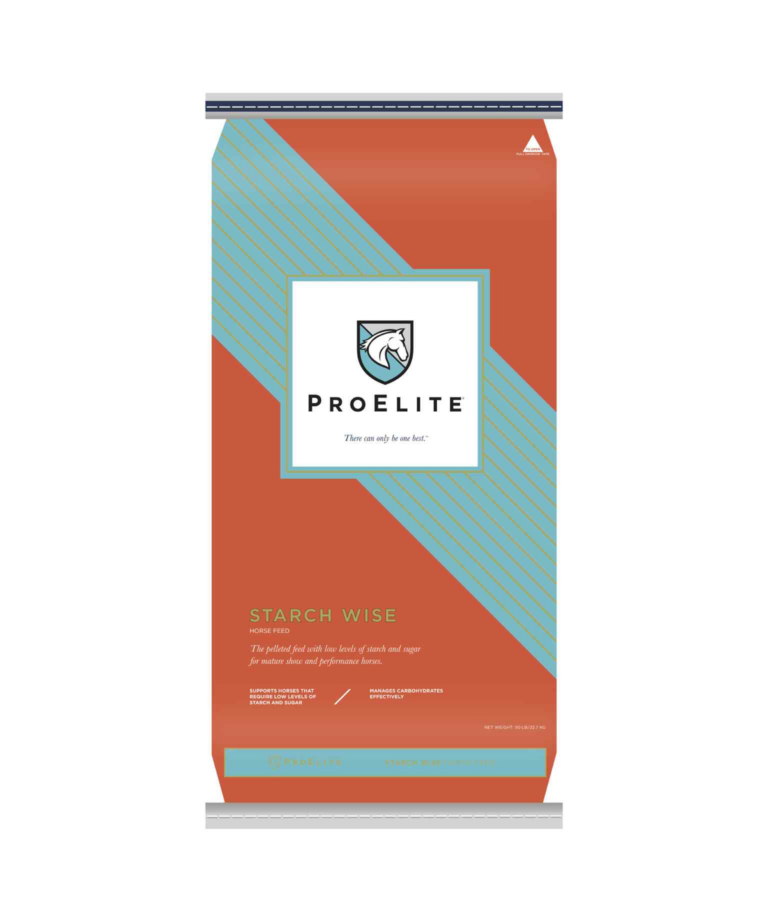
- Controlled Starch and Sugar: High-starch diets, especially those rich in ingredients like corn and oats, can overwhelm the horse’s digestive system. When excessive starch is consumed, not all of it is digested in the stomach and small intestine. This undigested starch escapes into the hindgut and leads to a rapid increase in lactic acid production, which lowers the pH and creates an acidic environment. This acidic shift can kill beneficial fiber-digesting microbes, promote gas buildup, and cause digestive upset. If your horse is prone to colic, a low Nonstructural Carbohydrate (NSC) feed like ProElite Starch Wise can help effectively manage carbohydrates and reduce risk of starch overload.
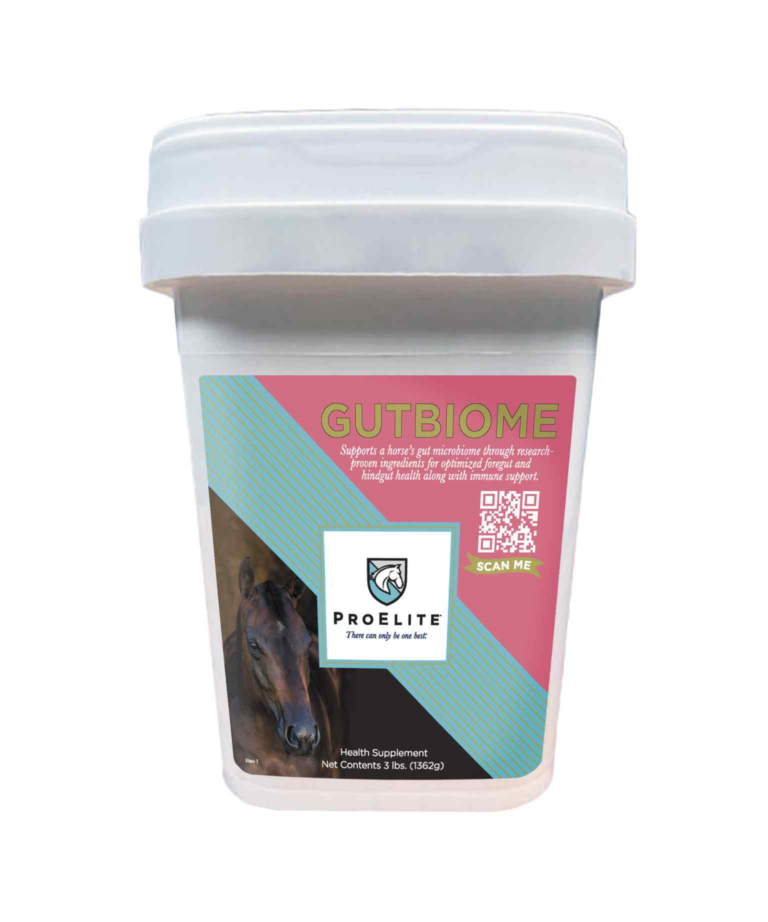
- Overall Gut Health: In addition to low starch, look for nutrients like highly digestible fiber and ingredients like prebiotics and probiotics that promote overall gut health.
Choose the Winning Combo
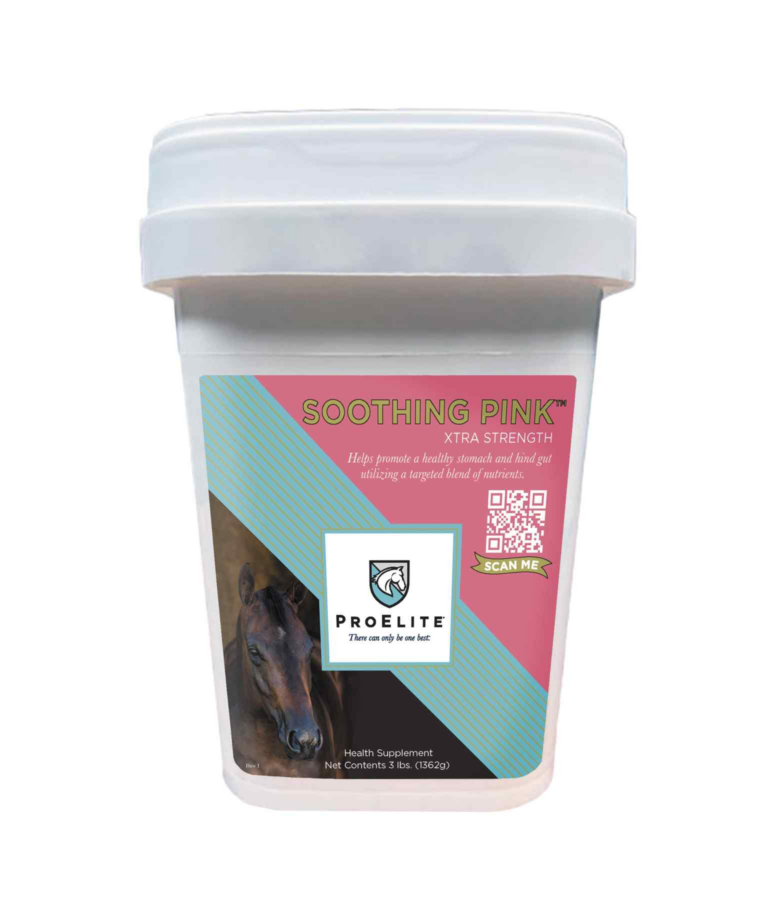
Because of how important diet is to reduce the risk of colic, elite training programs and equine athletes trust ProElite premium products to provide consistent, nutrition-locked formulas. While there are many combinations of feed and supplements that are safe, here are some of ProElite® feed’s most popular for colic-prone horses.